


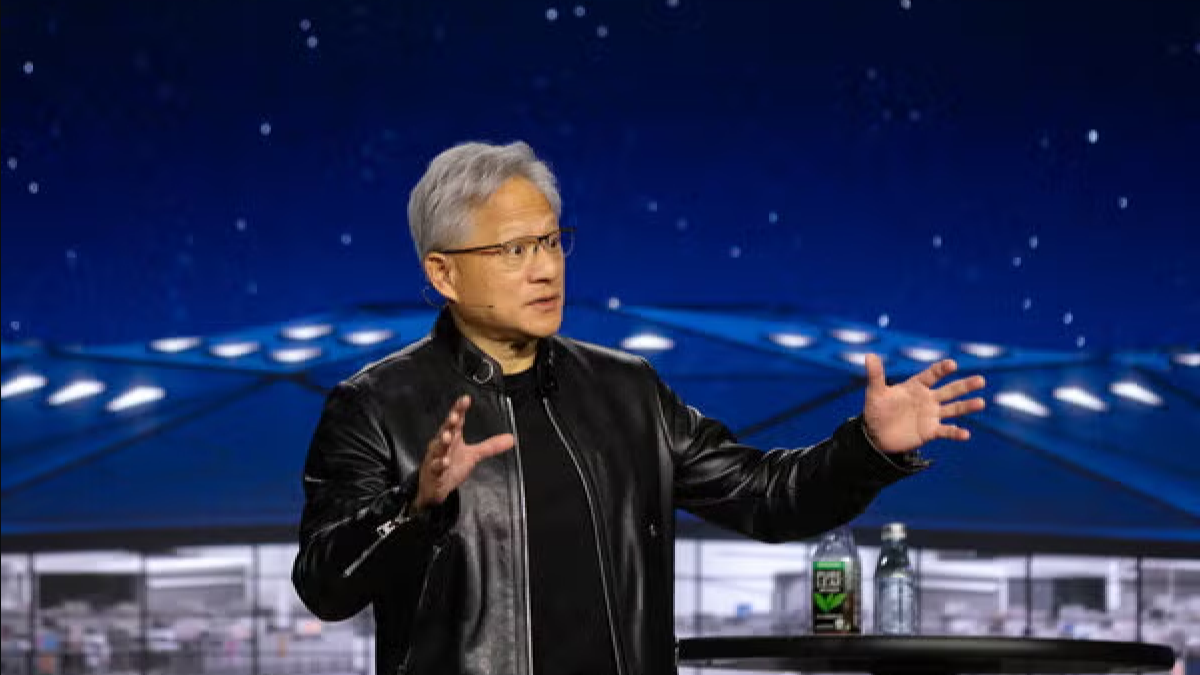
On November 8, NVIDIA’s board publicly expressed confidence in Jensen Huang. Just three days later, directors were reportedly meeting to decide whether to remove the only CEO the company has ever known. The Wall Street Journal first reported that the board was preparing to oust Huang, while Reuters independently reported the meeting, citing a person familiar with the matter. NVIDIA has not announced his removal or resignation.
The uncertainty puts one of the world’s most valuable technology companies at a crossroads. Huang co-founded NVIDIA in 1993 and spent the next 33 years transforming a graphics chipmaker into the company supplying much of the computing power behind artificial intelligence. His influence extends from engineering decisions to partnerships with global technology companies. Finding another chief executive may be possible. Replacing the relationships, technical judgment, and authority built over three decades presents a different challenge.
The controversy began with reports about Huang’s relationship with a businesswoman suspected by U.S. intelligence officials of connections to Chinese intelligence. On November 8, Huang publicly acknowledged being unfaithful to his wife and apologized to his family and NVIDIA employees. In a message published by the company, he described leading NVIDIA as “the privilege of my life.”
That same day, NVIDIA announced an independent investigation into whether Huang had been targeted by a foreign intelligence operation. The board emphasized that it had no reason to believe company secrets or national security had been compromised. On November 10, independent directors appointed former federal prosecutor Joon H. Kim and law firm Wachtell, Lipton, Rosen & Katz to conduct the investigation.
Reports of another relationship involving an NVIDIA executive who reported to Huang brought additional scrutiny to his leadership and raised questions about workplace conduct and corporate governance. Neither espionage nor the compromise of confidential company information has been established.
The uncertainty soon reached financial markets. NVIDIA shares fell more than 8% in after-hours trading following reports that directors were considering Huang’s removal. Bloomberg separately reported that the board had been working with an outside firm to identify potential successors and was considering appointing an interim CEO.
The timing is particularly sensitive. NVIDIA is scheduled to report quarterly earnings on November 17, placing its financial performance and leadership questions before investors at nearly the same moment.
For NVIDIA’s directors, the immediate responsibility is to establish the facts and determine the company’s leadership. For employees, customers, and investors, the concern goes further: whether the company can maintain its direction during a potential transition.
Jensen Huang spent 33 years making NVIDIA central to the AI industry. Now its board faces a question the company has never had to answer: Who leads NVIDIA when Jensen Huang no longer does?